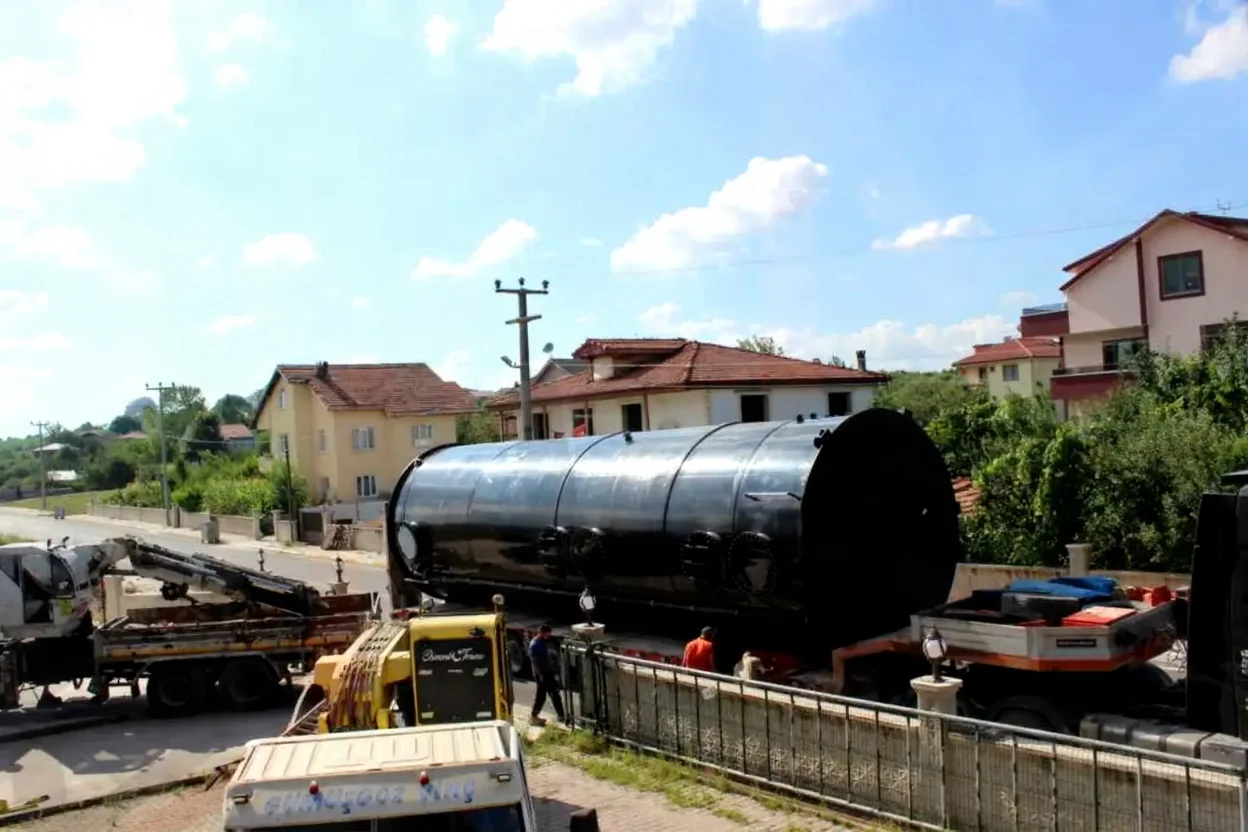
We design and manufacture gas scrubbing systems for the treatment of corrosive chemical vapors such as hydrogen sulfide, nitrogen-based gases, and odor-causing pollutants using biological bacteria, ensuring emissions are released in compliance with environmental regulations.
Biological scrubber systems are especially designed for waste, fertilizer, and waste separation facilities established for electricity generation, providing optimal conditioning to protect generators.
The systems we design using plastic raw materials such as polypropylene and polyethylene include:
These systems are designed and manufactured to ensure high efficiency, low energy consumption, and safe, reliable operation over many years.
Unlike chemical scrubbers, biological scrubber systems remove gases and odors through microbial activity instead of chemical reactions.
Advantages of Polypropylene – Polyethylene – PVC materials:
Scrubber systems are custom-designed according to process requirements and capacity, manufactured through scientific material and equipment selection, installed on-site, and commissioned for operation.
In our Frequently Asked Questions section, we've tried to answer the most common questions our customers have about our tank manufacturing services. However, if you need more information or have a specific question, please don't hesitate to contact us. Our expert team is here to help you in the best way possible.
Gas scrubbing systems are equipment used to remove pollutants, particles, and gases generated in industrial processes. These systems typically bring a gas stream into contact with a liquid solution. Upon contact, the liquid dissolves or absorbs the pollutants in the gas, releasing clean gas into the air. Gas scrubbing systems are critical for controlling industrial emissions and complying with environmental regulations.
Odor removal systems are used to reduce or eliminate unwanted odors in industrial and commercial facilities. These systems typically work by addressing the source of bad odors through chemical, biological, or physical processes. Chemical scrubbers, biological filters, or activated carbon filters are common components of odor removal systems. These systems are important for protecting employee health and ensuring environmental compliance.
Regular maintenance of gas scrubbing and odor removal systems is critical to ensuring the system operates efficiently and safely. Maintenance typically includes cleaning system components, replacing filters, checking fluid levels, and assessing the overall condition of the system. The frequency of maintenance may vary depending on the type of system and the intensity of use, but regular maintenance is generally recommended. Periodic checks and maintenance performed by qualified technicians ensure the longevity and continued performance of the systems.

 en
en tr
tr