
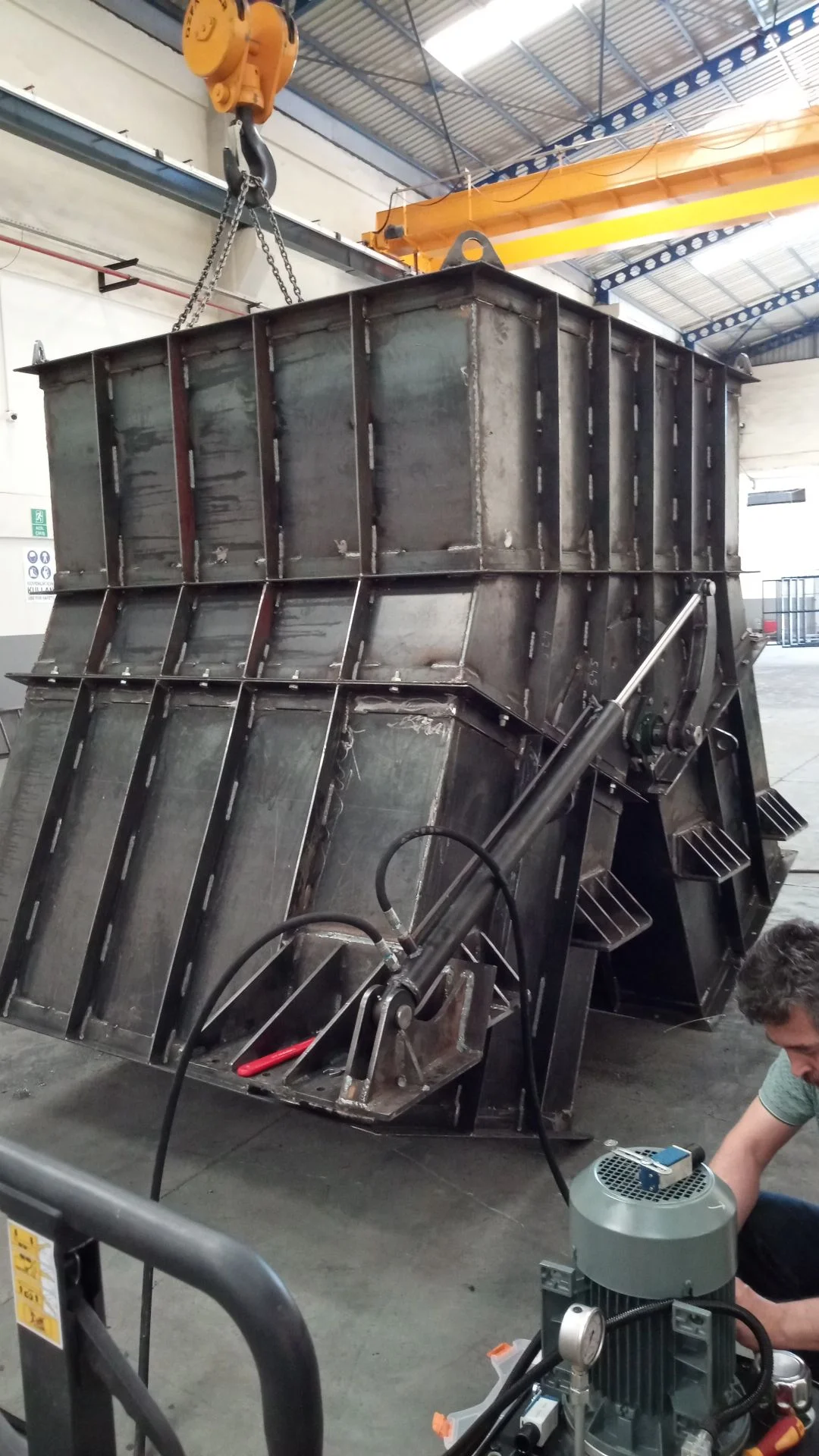
Valve manufacturing involves producing a crucial component that provides flow control in industrial facilities. Many factors influence pricing, and understanding them is essential for making accurate cost estimates and optimizing costs.
1. Material Selection and Quality
Material Type and Properties: The choice of material used in valve manufacturing has a significant impact on cost. Materials such as stainless steel, aluminum, carbon steel, or special alloys have different costs.
Material Quality and Durability: Higher quality materials generally have a longer lifespan and provide lower maintenance costs, but the initial cost is higher.
2. Size and Capacity
Valve Size and Diameter: The size and diameter of the valve affect the amount of material and the manufacturing process. Larger valves generally require more material and involve more complex manufacturing processes.
Capacity and Flow Rate: The amount of flow and pressure that the valve can handle has a significant impact on its design and cost. Higher capacity valves are generally more expensive.
3. Design and Features
Custom Design and Features: Customer-specific design requirements or features can increase engineering and manufacturing costs. For example, additional features such as special sealing requirements or compliance with specific industrial standards can increase costs.
Innovative Design Solutions: Innovative design solutions can be used to optimize costs. For example, the use of lightweight materials or more efficient manufacturing processes can reduce costs.
4. Manufacturing Process
Manufacturing Technique and Process: Different manufacturing techniques and processes, such as casting, forging, cutting, welding, or injection molding, have different effects on cost.
Labor Costs and Productivity: Labor costs depend on the complexity and duration of the manufacturing process and the qualifications of the employees. Automation or technological innovations can be used to increase productivity.
5. Total Production Quantity
Bulk Orders and Wholesale Purchases: When large quantities of flaps are ordered, the unit cost usually decreases because material procurement and the manufacturing process become more efficient.
Flexible Production Planning: Flexible production planning strategies should be adopted to adapt to changing demands. This can reduce idle capacity and optimize costs.
6. Shipping and Delivery Costs
Shipping Distance and Logistics Costs: Delivery distance affects shipping costs. In the case of international shipping, additional costs such as customs duties and import taxes should also be considered.
Cycle Time and Fast Delivery: Fast delivery requirements can increase shipping costs. Long-term production planning and warehousing strategies can optimize shipping costs.

 en
en tr
tr
Submit Your Comment!